feuer
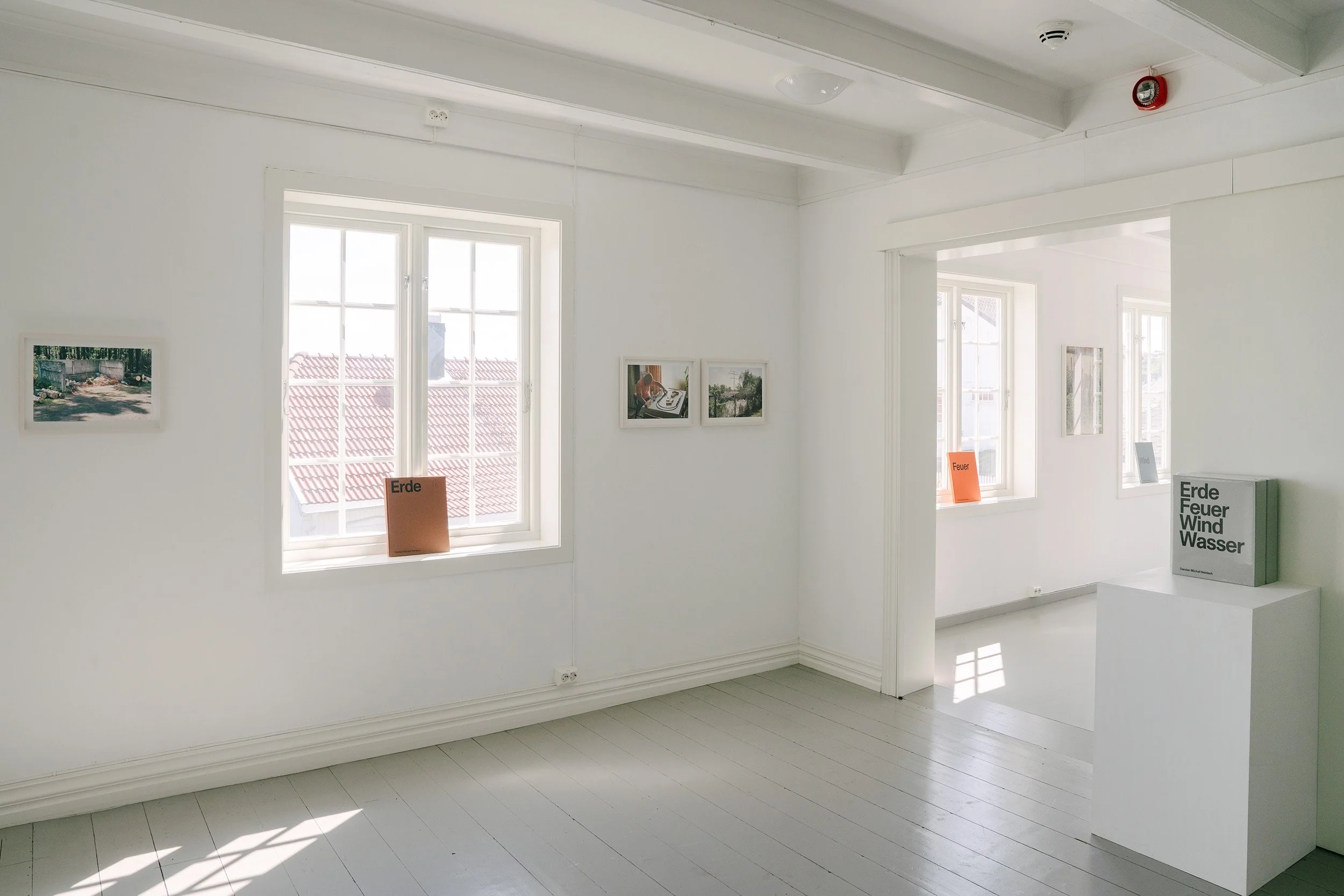
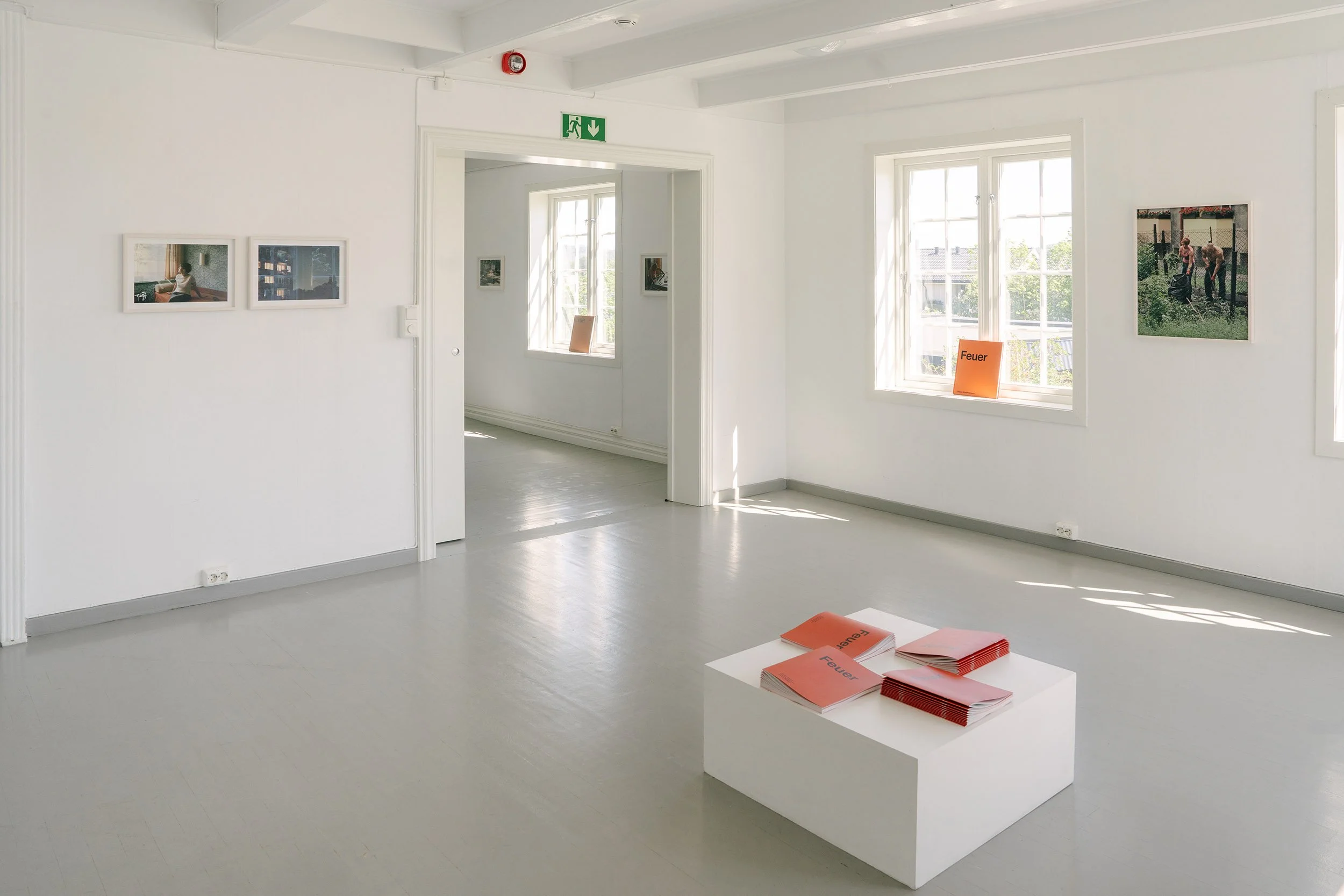
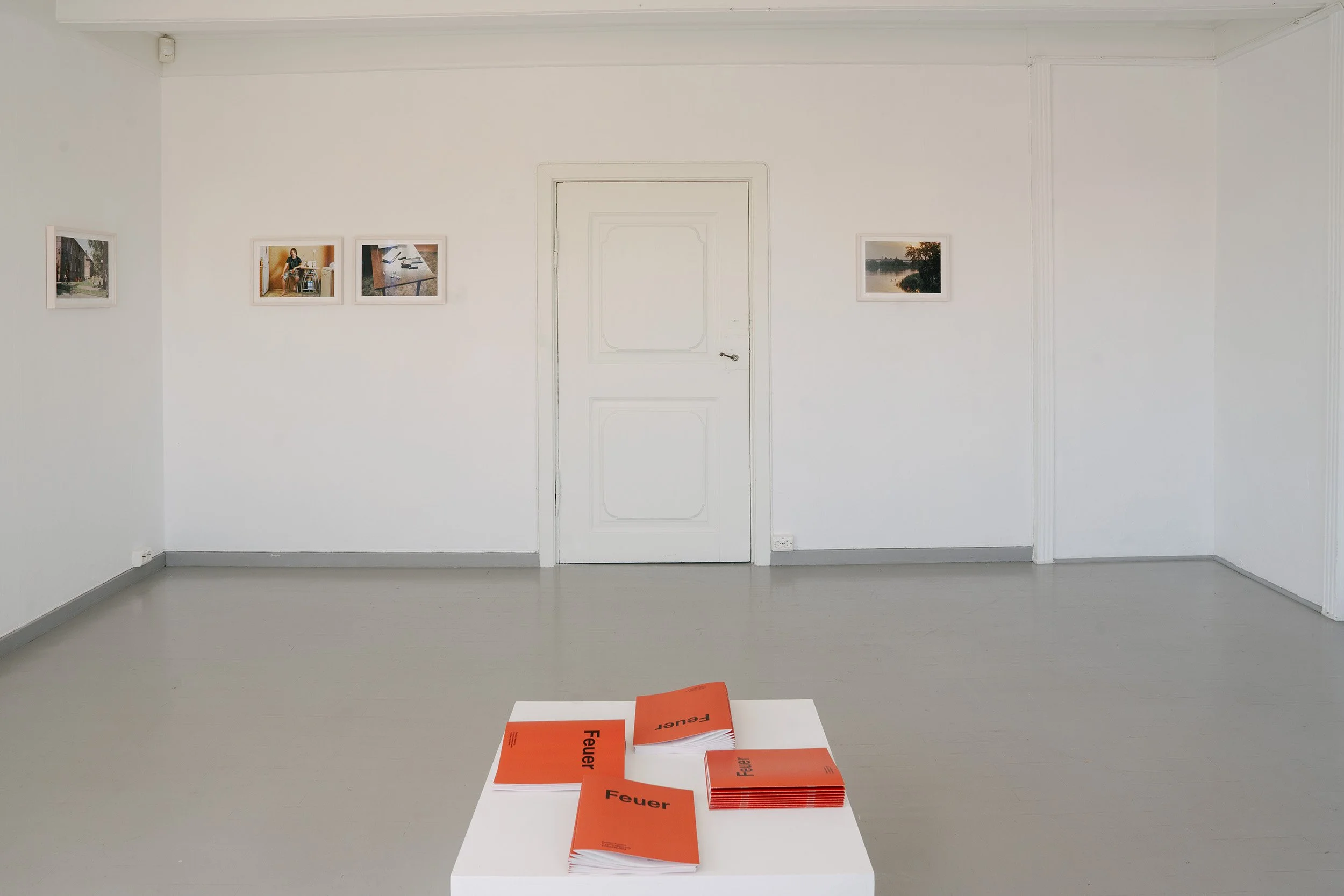
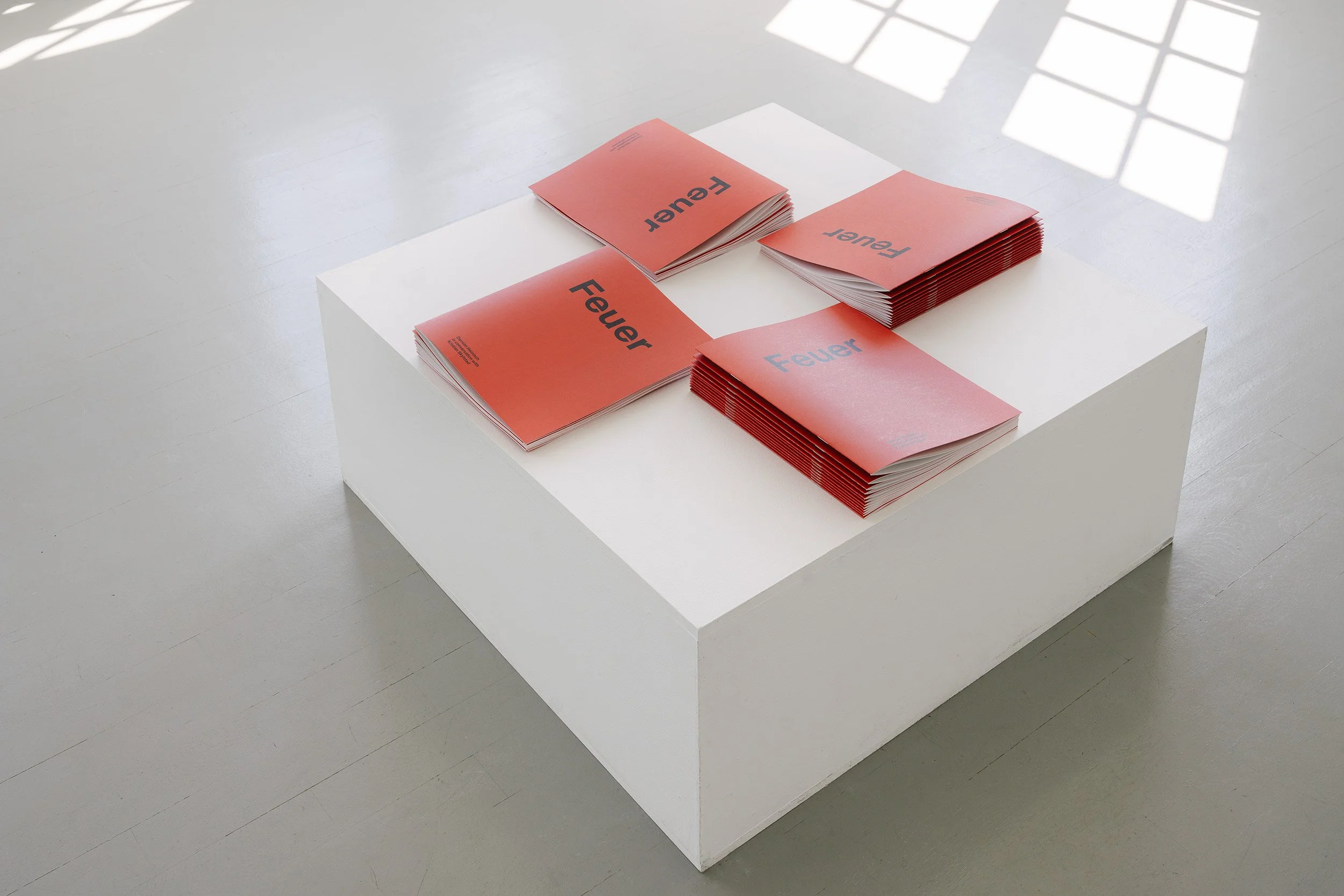
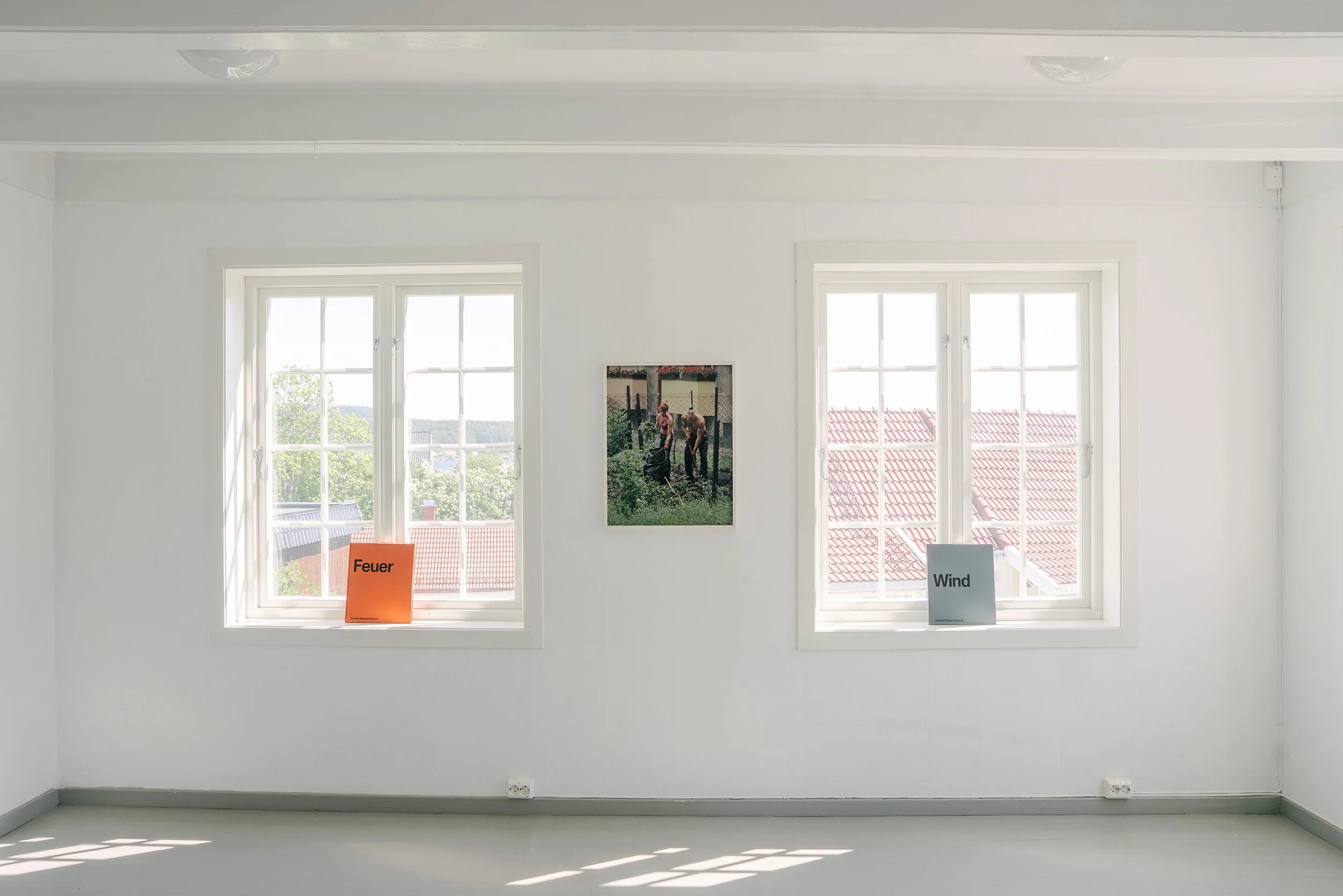
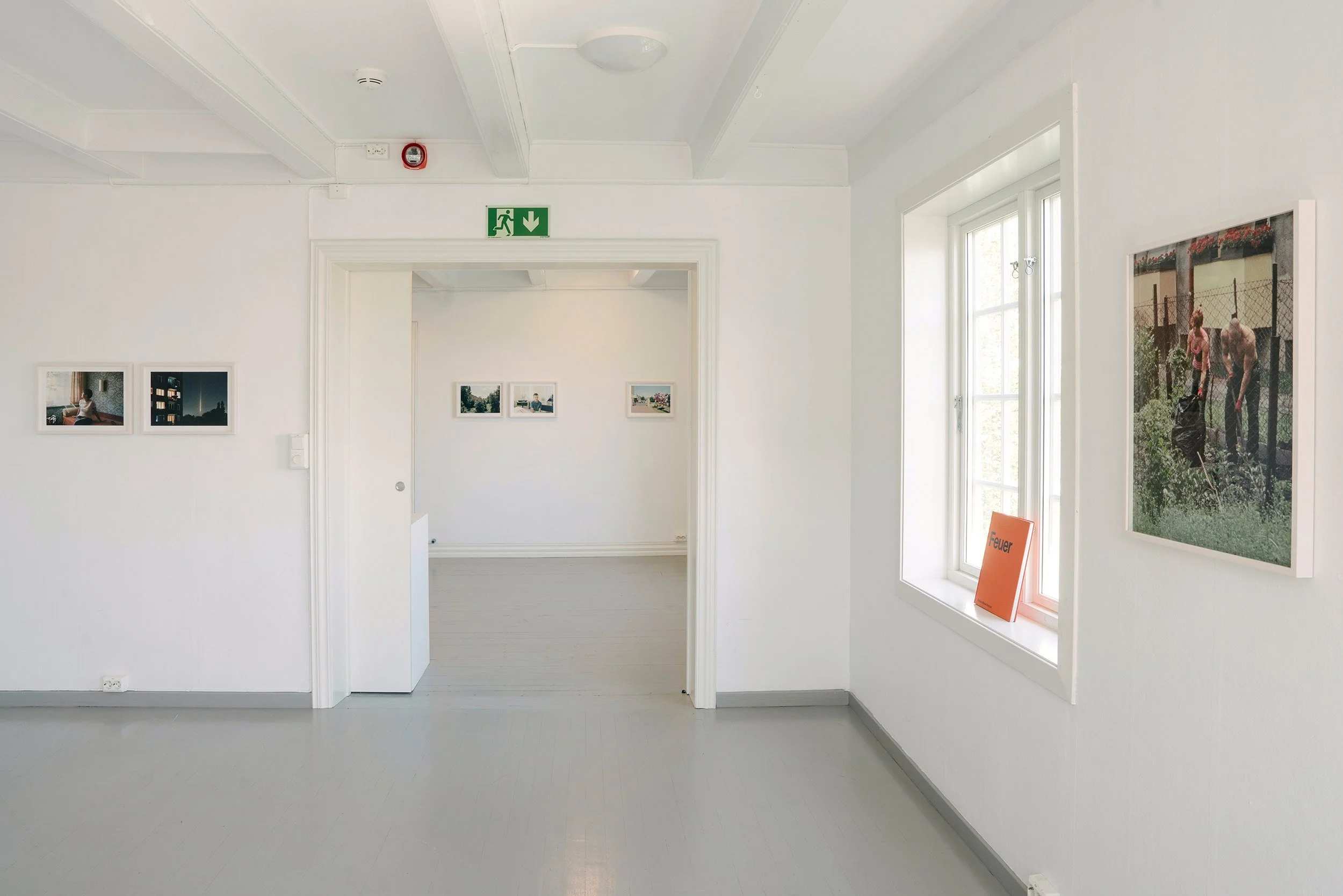
«Feuer» is part of the four-volume publication «Erde, Feuer, Wind, Wasser», a decade-long photographic journey through four European countries exploring migration, identity, and belonging through events, experiences, and traumas that have shaped millions of families.
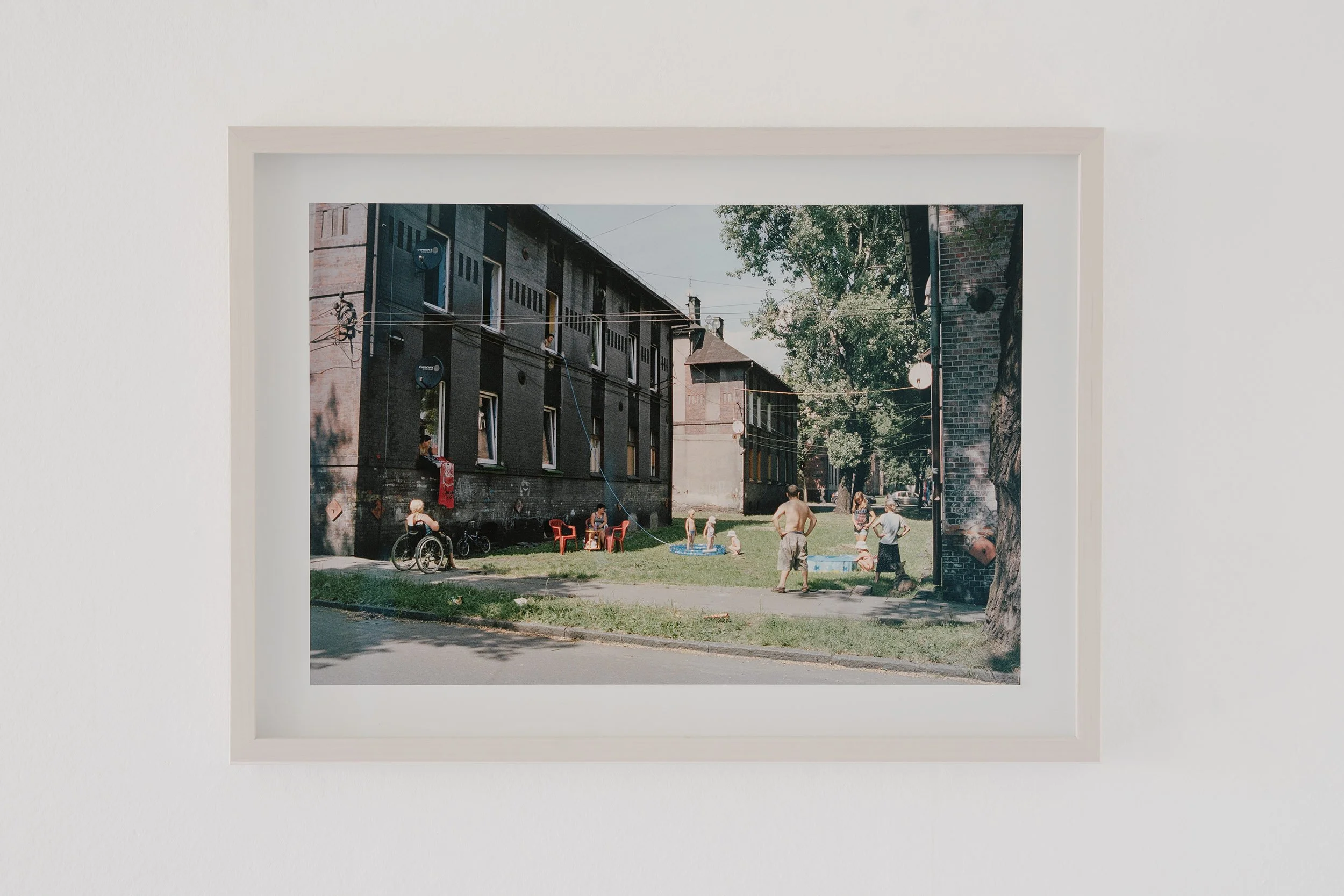
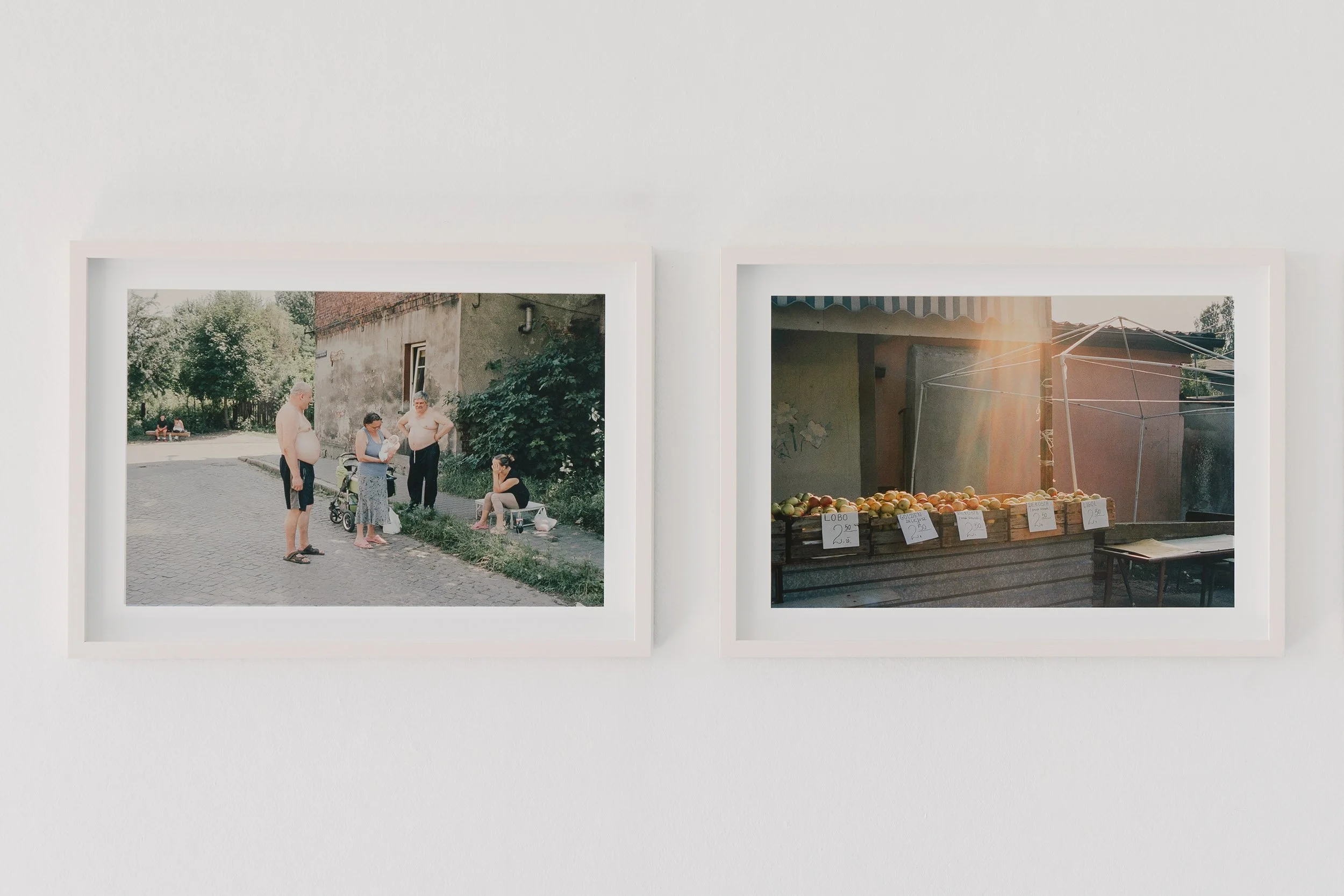
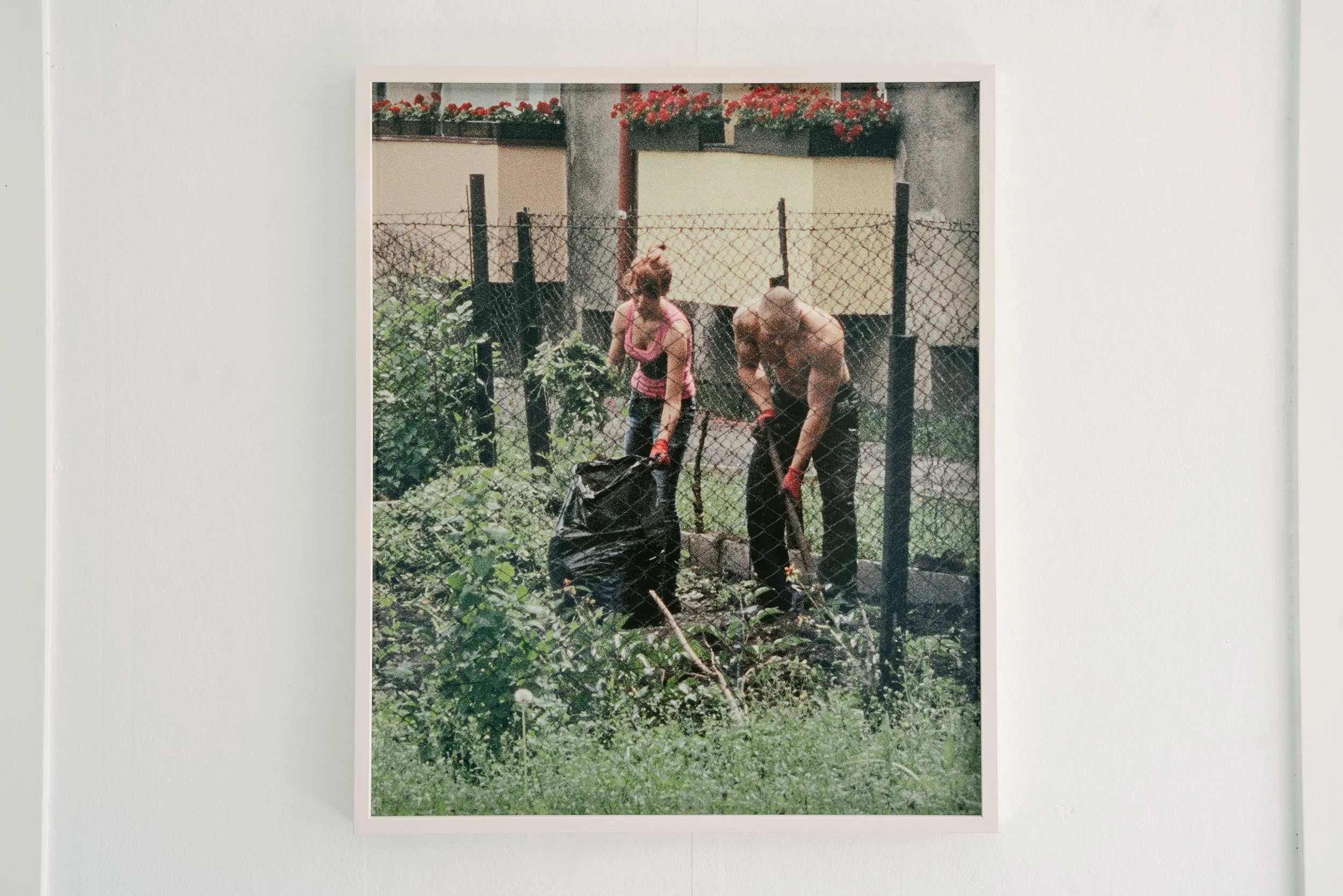
The exhibition traces the Polish chapter: a landscape of fire and coal, where borders shifted overnight and entire communities were forced to reinvent themselves under a foreign ideology. What remained was silence, adaptation, and the slow persistence of memory.
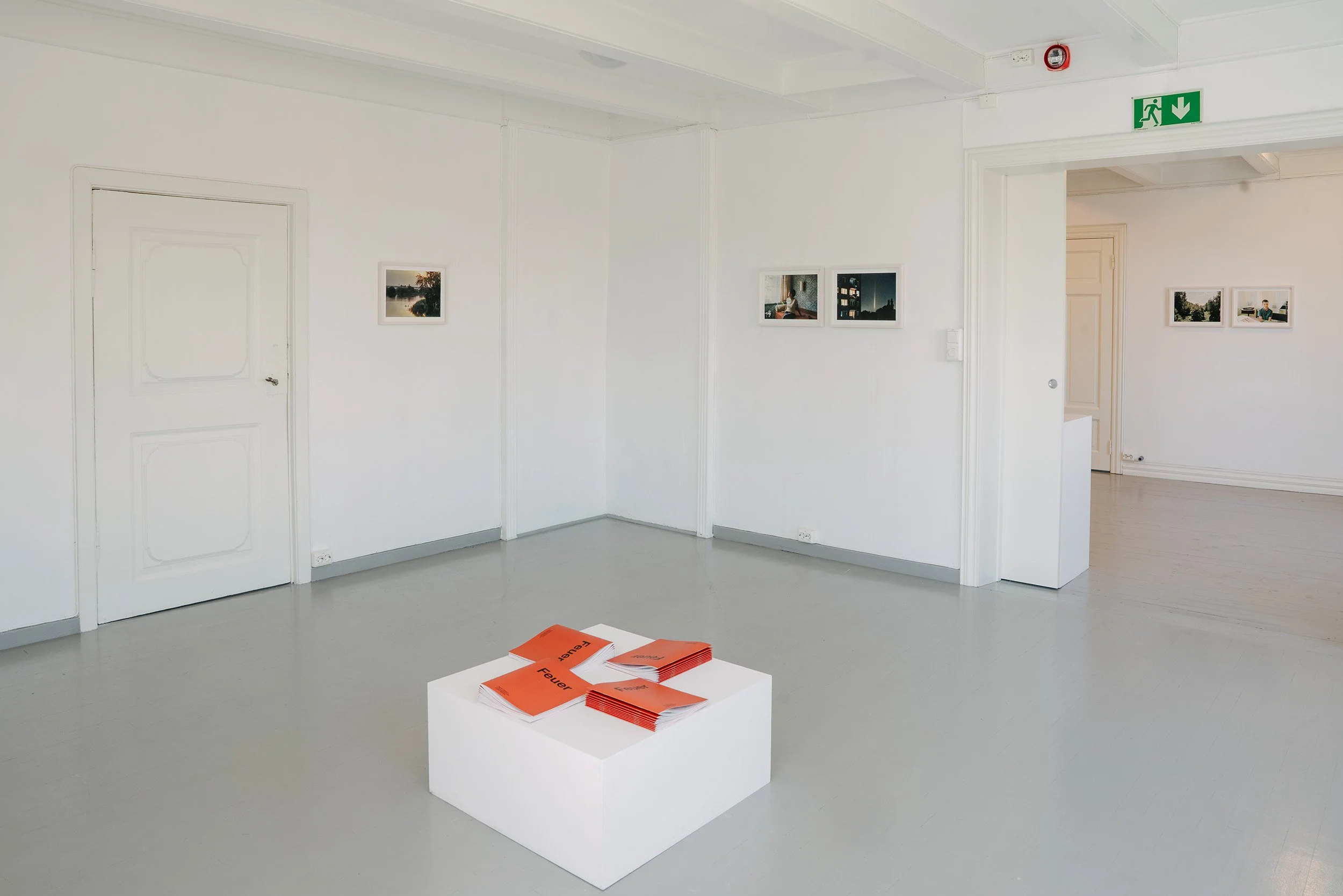
The exhibition ran from 30 May to 21 June 2026 at Fogdegaarden Kunstforening in Stathelle. The opening was marked by an artist talk between Jo Michael de Figueiredo and Damian Michael Heinisch. The exhibition was reviewed in Porsgrunn Dagblad and Klassekampen.
My father was sitting by the window, looking out. "It's snowing," he said. I got up from the carpet and ran to join him.
And it was true. Snowing, in the middle of summer. Black flakes falling from the sky. As large as raindrops, and shaped like them too. The wind drove them across the windowsill.
In the distance, fire.
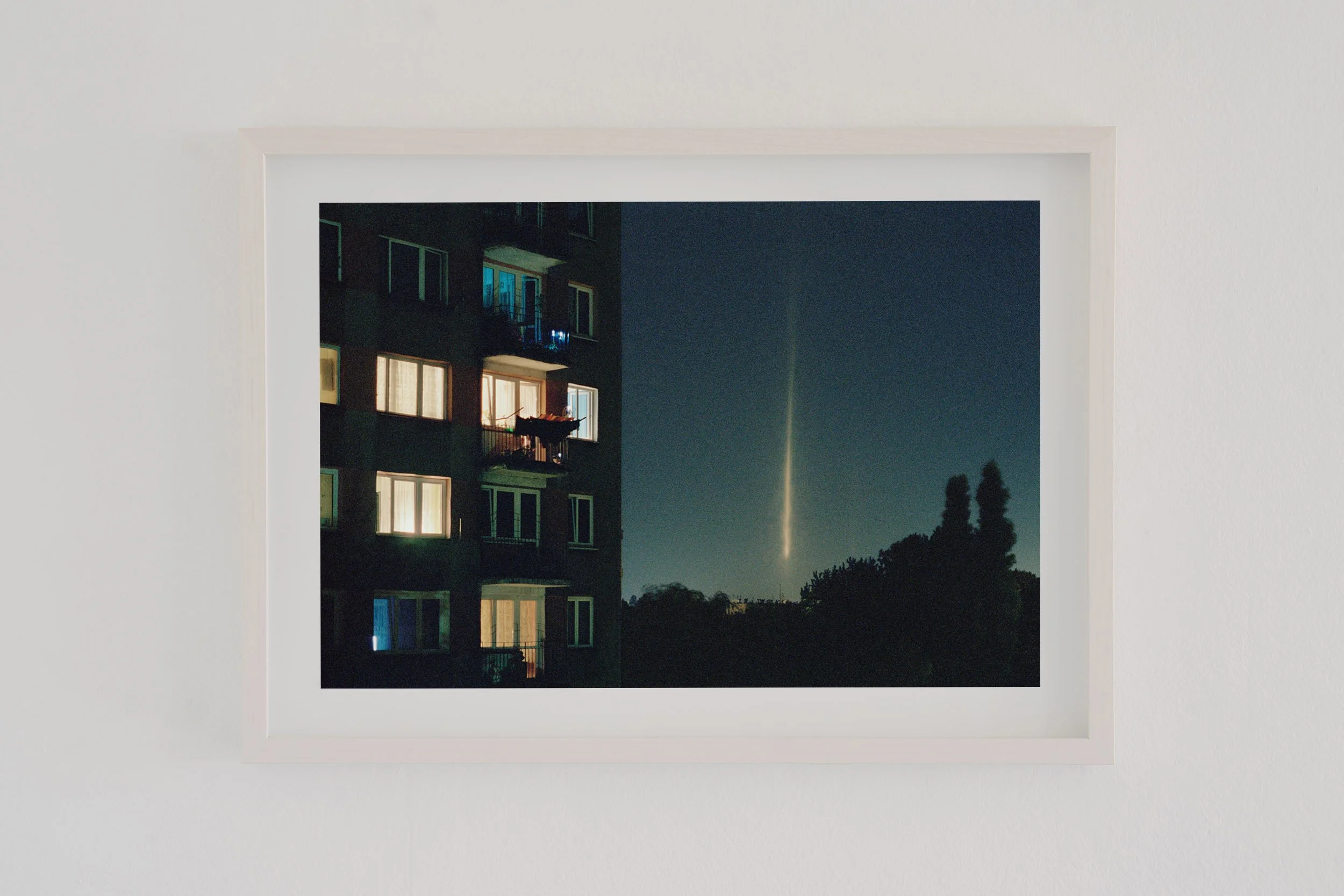
The fire was strongest at night. It pressed through the thin windows of the grey tower block, fifth floor, thirty-two square metres, into our living room. It burned on the horizon, holding the ground in a dim red light across a region of mines and factories. Borderland! Everything here was different. The earth was darker, and so was the air.
The same poisoned air for everyone. Everything was dark. The green of the trees. The bark.
The faces of the people,
written over by soot.
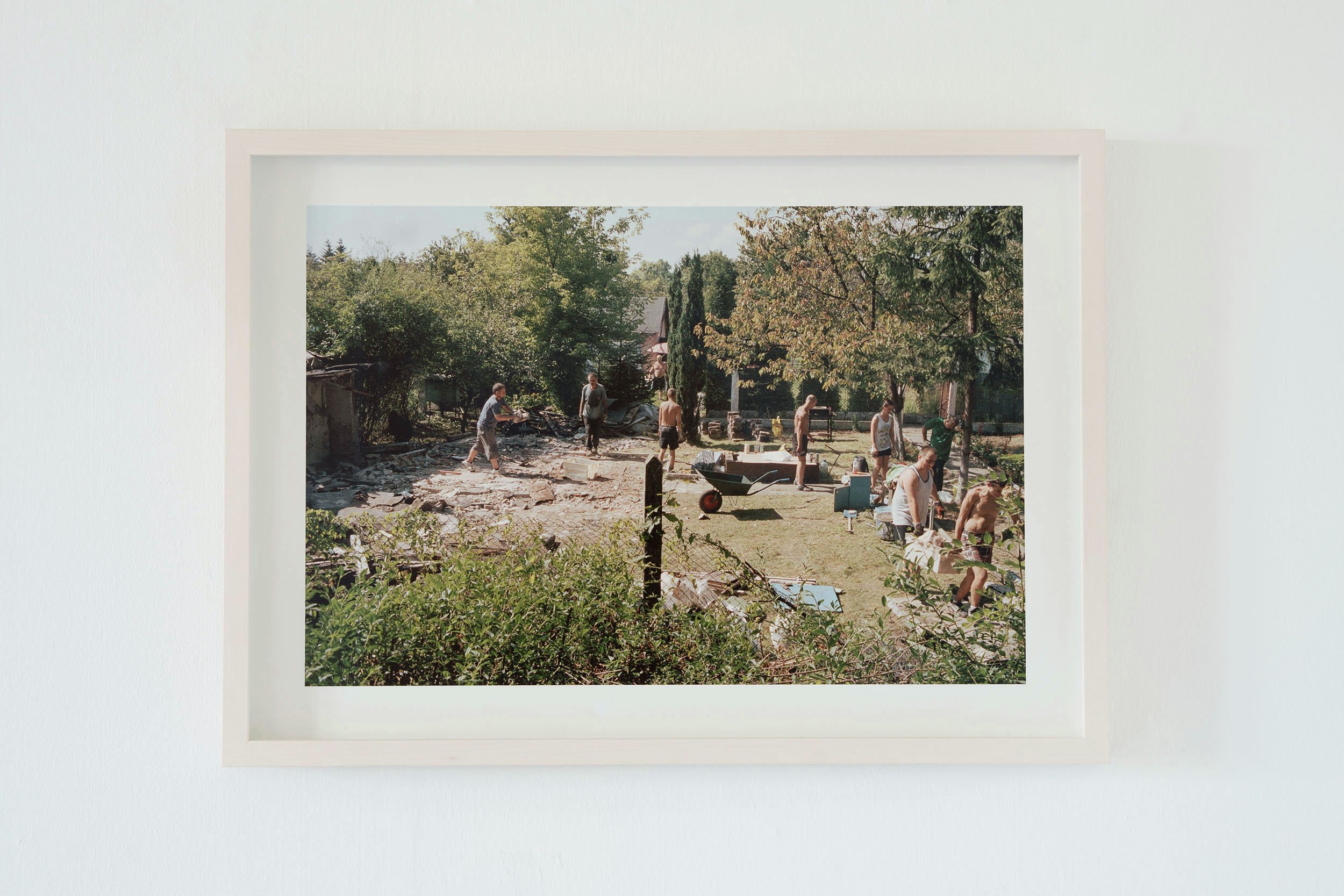
Men went down into the ground and returned in the evening. Lives spent more in the dark than the light. God and the fire always above them. But in the evenings they sat together and ate. The fire warmed them.
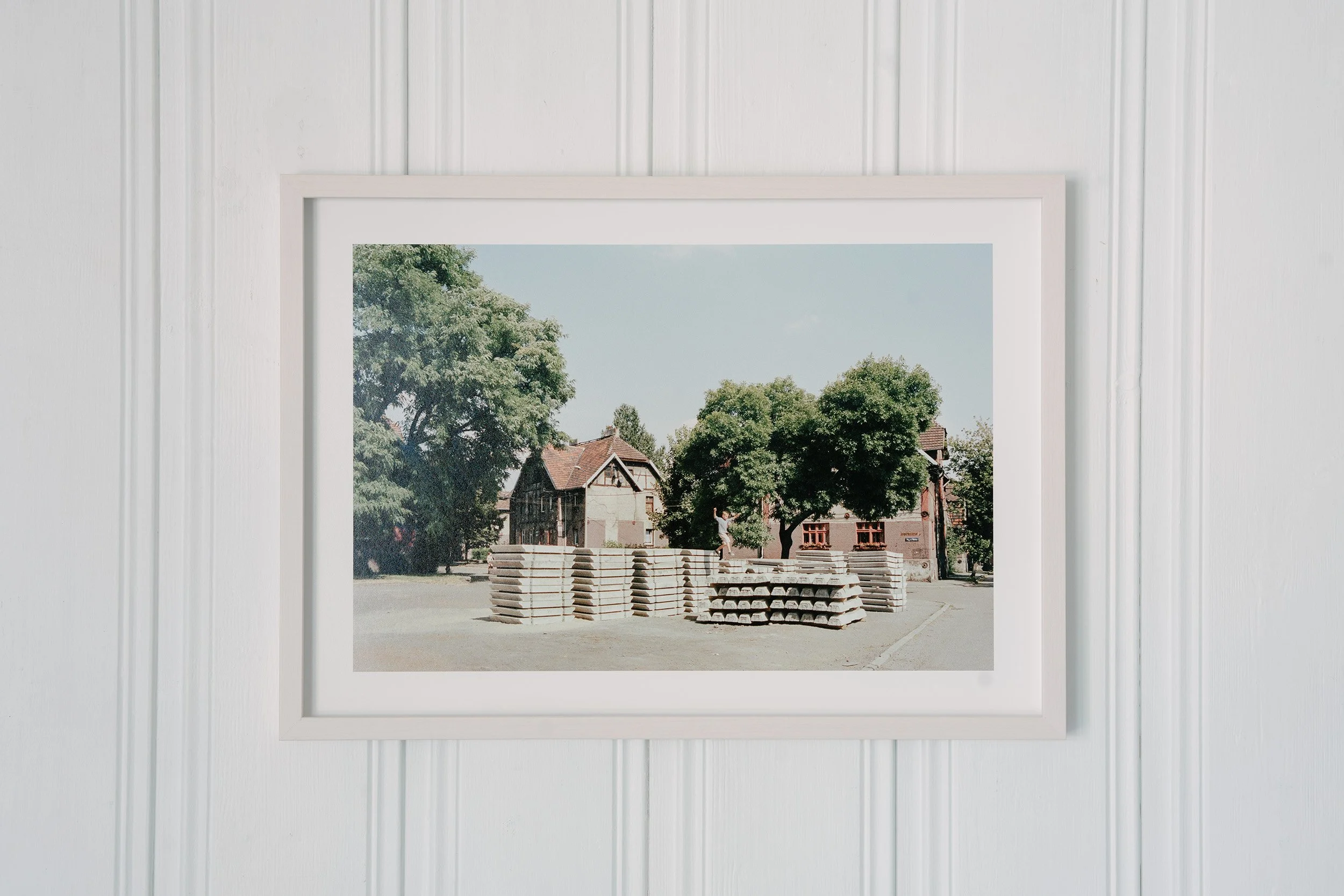
Only in summer was the soot lost behind the fountains. Children disappeared into shimmering white.
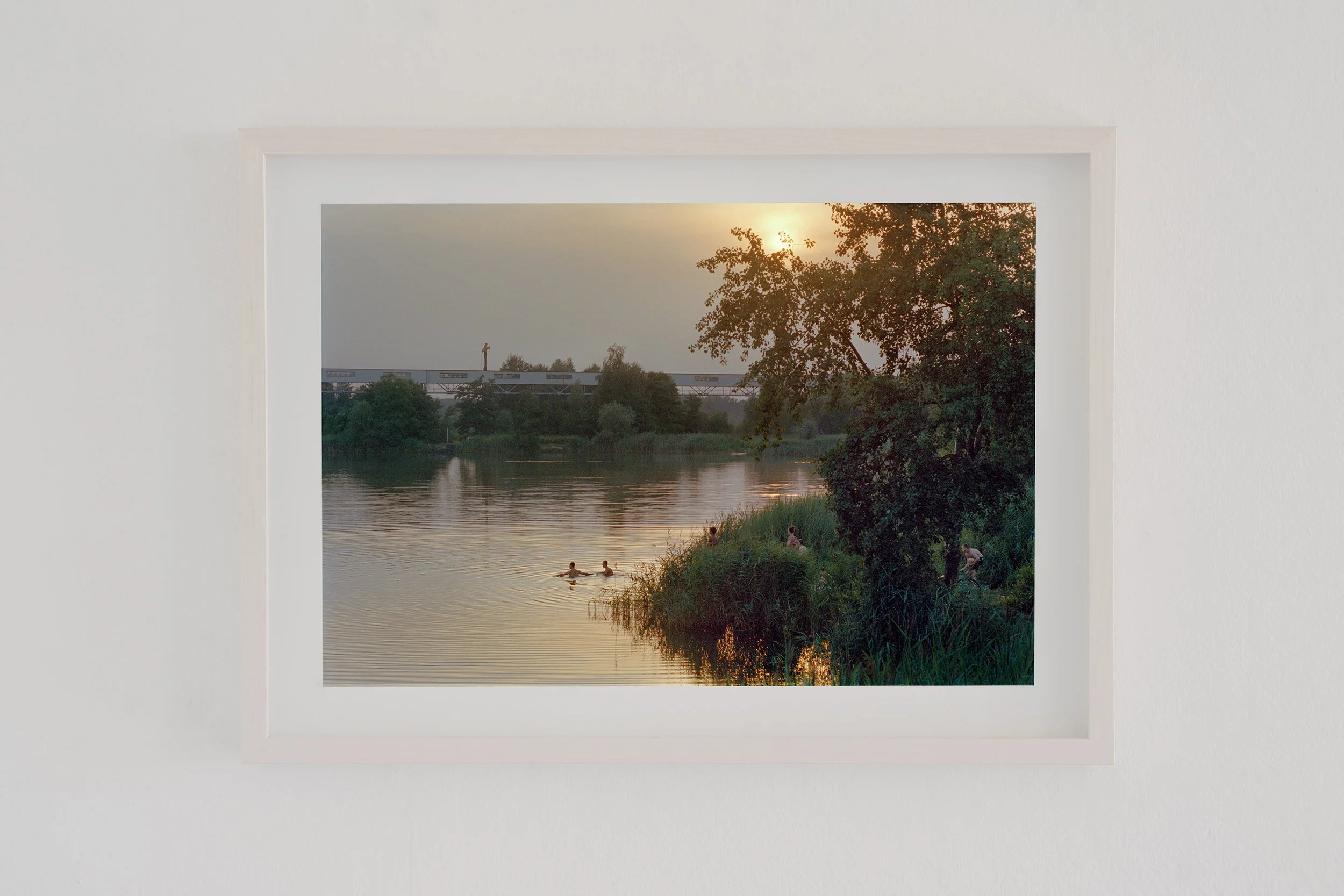
Adults cooled themselves in the grey pond before the coal belt. There were rumours of a dark monster inside.
Bebok.
Life went on. Death too. The cemeteries lived. Beautiful flowers. Countless flames from small lanterns.
Monuments, heavy with industrial pride, kept in view what was still to be done. Pride as reward. Pride in what one could move, collectively, and build.
Heimat.
From here, in 1939, soldiers of the Wehrmacht marched out to conquer Poland, to slaughter it. A shameless assault.
Six years later, Wehrmacht soldiers met the Red Army here again, as it advanced towards Berlin. A brief battle in the merciless cold of the winter of 1945. In a matter of days. Besieged. Plundered. Violated. The soldiers moved on.
They took the border with them. One nation, then another. Two weeks. A different world.
Men disappeared, many never to return. Some came back. To another country. Starved. They brought the silence of the camps, and diaries without their owners.
Those who remained were given new names, new ideologies and aims. New neighbours, enemies, and a new language.
They were silent. They adapted. The coal remained. And with it, the fire.
Those who wanted to leave fought for years. The men were stripped of their work. Miners without a mine.
The mother provided. She was the house. They celebrated nonetheless. Fire in their throats.
I was born. Life lay before me.
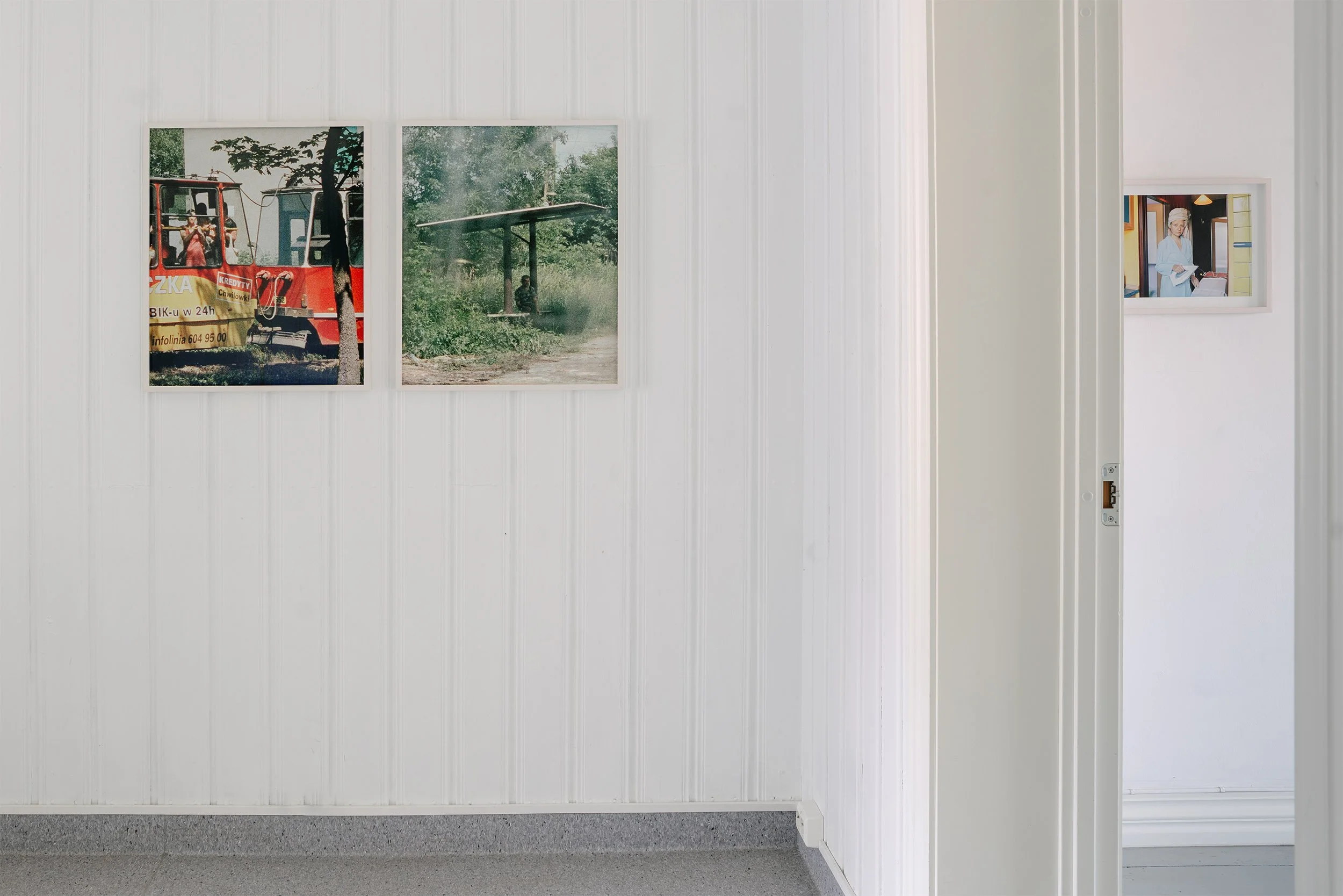
The tram rode out of the city. The houses changed, grew smaller, more rural. Suddenly we stopped.
Bobrek.
A white cloud swallowed our carriage. Rotten eggs. The carriage moved on.
Fewer and fewer houses. Black hills instead.
The tram stopped beside a steelworks, open enough to see inside. Enormous machines, black with soot. It looked loud. Hot.
Silver robots fed the fire-breathing furnaces, glowing and open-mouthed. Three of them sat at a table, masks set aside.
A break. One was eating his bread.
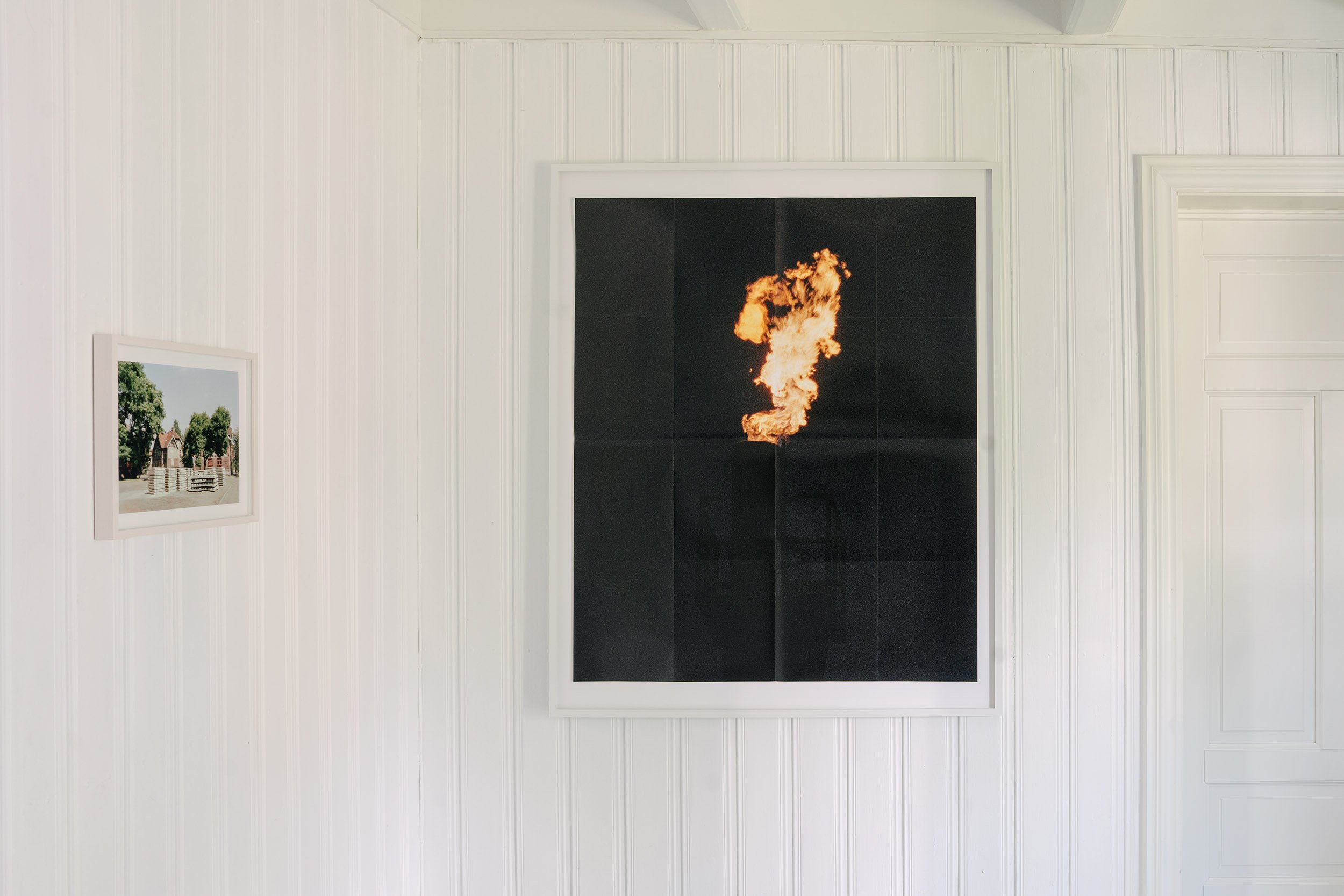
The track cut through a landscape of coal tips. Far ahead on the horizon a torch was burning, and we were moving towards it.
A vertical pipe spitting fire into the sky.